




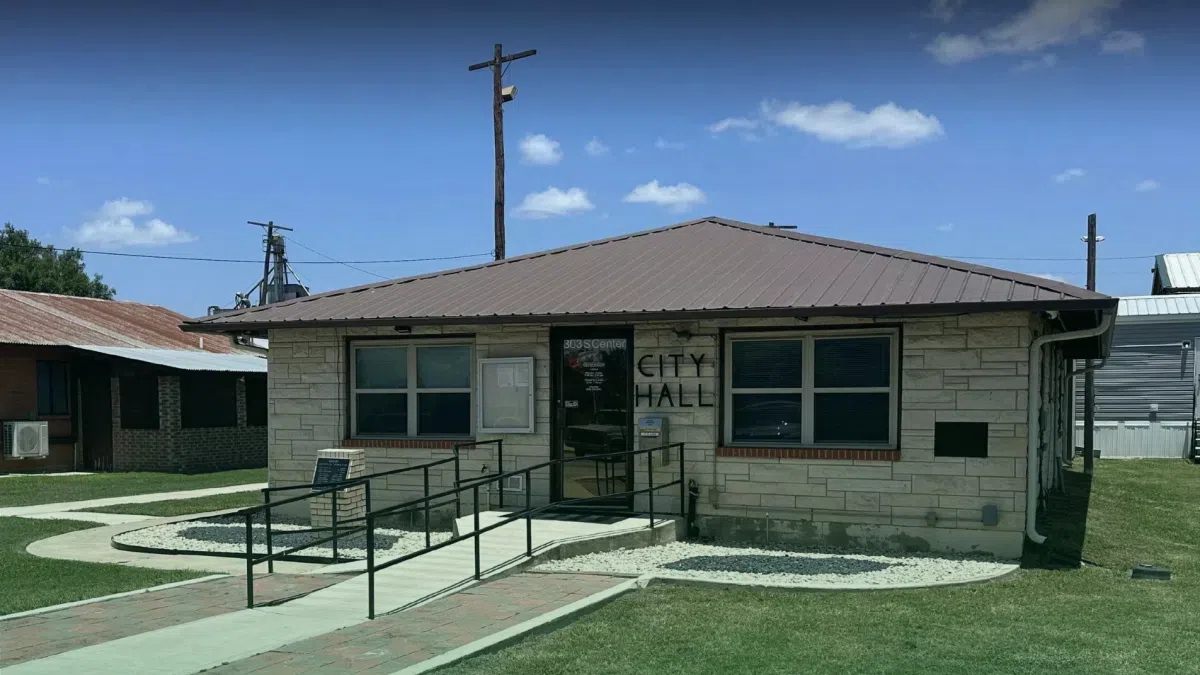
City council publicly sets the record straight
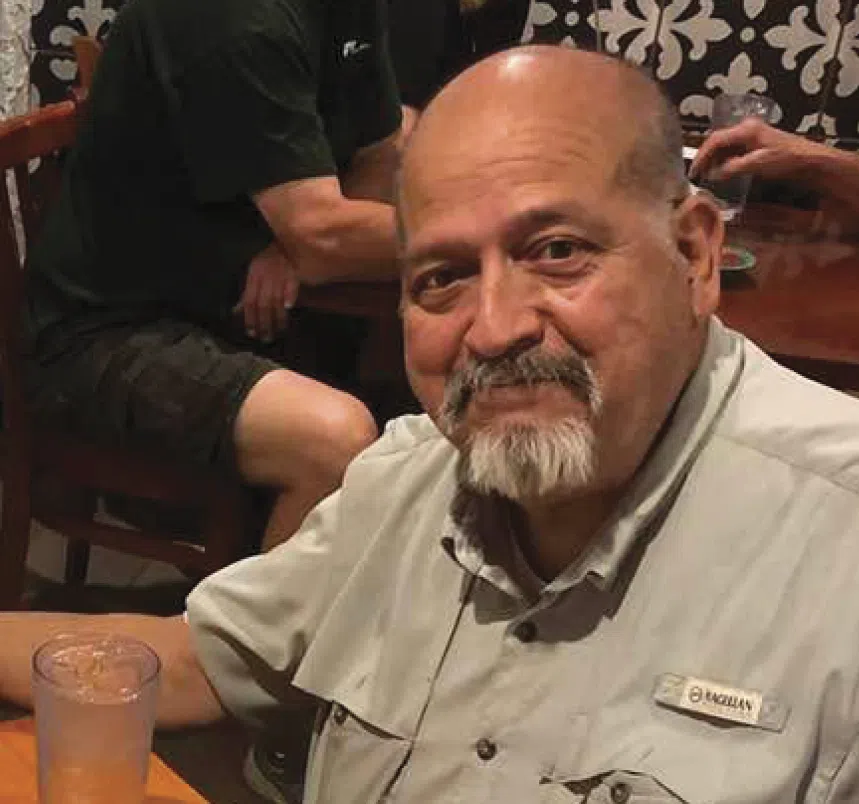 (Marion) — After months of scrutiny and speculation, a former mayor’s name has been cleared, restoring both his reputation and public trust.
At the most recent meeting of the Marion City Council, Mayor Danny Loyola formally cleared former Mayor Victor Contreras of any wrongdoing related to city finances, bringing closure to a controversy that has lingered for more than a year.
Backing up those findings was City Auditor Phil Vaughan, of Armstrong, Vaughan & Associates.
Loyola, while also acknowledging the hard work of Mayor Pro Tem Kerry Gutierrez — says thanks to the results of this comprehensive audit, the city affirmed that all funds were accounted for.
“My big thing was with Mr. Contreras, I did tell him at one point, ‘I’ll look at it and if I don’t see anything or the auditor doesn’t see anything, then like, yeah, I’ll just (clear) your name. I don’t have an issue with that at all. (I said) you got put in a real bad situation. And I was like the allegations are crap. As much as myself and Kerry were in the bank account and just looking at everything — the finances, we didn’t see anything suspicious. But then when you have a party that comes in — a neutral party that comes in — and he looks at those, all of the accounts, and again, back to 2022 looking at some the 2021-22 (figures), he said the same thing – ‘nothing was found, nothing suspicious was found,’” said Loyola.
Loyola says he felt it was necessary to take the moment during the public hearing to formally clear Contreras’ name and make things right.
“And I stated to Phil, ‘So, what I’m reading here is that nobody did anything. Nothing suspicious was found. Nothing at all whatsoever.’ And he said ‘nothing.’ So, I was like, okay. And I said, I don’t know if my attorney is going to like this comment or not, but I’m like, I just have a right to declare Mr. Conteras his name. I had said another word; I don’t think I can use it on the radio (or in the paper). But I had said another word, about the allegations being really crappy and that you pretty much ruined somebody’s life for allegations that were untrue. Now, he won’t get his life back from the past few years, but now, people will know that nothing was taken at all whatsoever,” said Loyola.
During the meeting, Mayor Loyola also read directly from a financial representation letter used in the audit process, which stated the city’s leadership had “no knowledge of any fraud or suspected fraud that affects the entity,” including any communicated by employees, vendors, or regulators.
The document serves as a formal affirmation of clean financial practices from both management and staff involved in internal controls.
Despite earlier confusion and missing documentation that raised public concern, officials now say the discrepancies were the result of record-keeping errors, not fraud.
“All I know is that in 2021 or late 2020, they ended up getting a software called Frey. (Under FREY, the modules include) BUCS (accounting) (CHIPS, payroll) and Cubic (utilities). And those are either your payroll services that we use internally or your utility services. Well, with the turnover rate going on, we found out that there was very little training on the system. So, somebody would work on it and six months (later), they would leave. Somebody would come in, but they wouldn’t get the training for it. They were just kind of guessing at what would be done. With it, we did figure out the bank, like certain things were repaid out of other accounts, which we had already established, and we knew that,” said Loyola.
While submerged in the audit process, Loyola says much of the public’s suspicion lied in the inability to account for COVID relief or ARPA funds.
But as this paper trail unfolded, Loyola says it became clear that there was no fraud.
“One of the things that we also needed was the big one — the ARPA funds, the Covid fund. Where did those go? Well, I ended up going in there, to the city secretary’s office figuring out what I needed for the ARPA funds. And it was like, okay, I need to really figure this out because we’re missing those funds. (And we) might have to end up paying those funds back if we can’t find that money. I remember going into the filing cabinet, grabbing a folder that read Cares Act, and somebody above me must have been looking to take care of me because I saw a piece of paper fall out, and it was something that Victor put together, and it had said ARPA funds, and it had a word document that he created on his own. And it had when (and where) he spent the money, how much was deposited and who we spent it with. And it was like, oh boy, look at that! Of all the papers that fell out, that one paper fell out. So, I ended up writing a 66-page report that I gave to the incoming councilman in December. Come to find out, we still had some remaining (dollars and) we were able to use it not too long ago. We’re compliant with reporting with the government,” said Loyola.
Contreras, who was on vacation at the time of the meeting, told the Seguin Daily News that he would just let the facts speak for themselves.
He says he always knew that the facts were on his side.
Meanwhile, Loyola credited a now united city council, along with a team of CPAs and bookkeepers for providing the answers that they needed.
He says they all sorted through two years of backlogged records.
He emphasized that this effort not only restored Contreras’ reputation but also justified his own actions that had come under scrutiny following his election.
He says he is pleased that they were able to come together over a relatively short period of time to bring closure to the unfounded claims that were made more than a year ago.
“We had to reach out to him (auditor). We’re like, hey, we’re going to need to do an audit. What do you need from us to do the audit? We’re so far behind. What do you need? So, he gave us, I don’t know how many pages of documentation that we needed. He said you could get 2022 done. Once you get 22 done, (then) 2023 and ‘24 should be easily done. It sounds pretty simple, but it wasn’t as easy as that because there were a lot of records that were not there, financial records that weren’t there. We just had to go out and get them. That’s all we had to do. We just had to roll our sleeves up and say, ‘hey, can I get this invoice? I need this bank statement.’ We had to just do some research on the computer. And everybody was very helpful with that. And they sent us invoices. They were sending us all kinds of information, whatever Phil needed. That’s what we gave him,” said Loyola.
The mayor acknowledged the city had no dedicated financial director during the time in question, which contributed to the issues.
However, the city has since implemented new accounting procedures and a financial “safety net,” with plans for ongoing cross-training to prevent future lapses.
“I do get to go around, and I do get to see the other cities, how they operate. And they don’t have a financial director. And if they do, it’s somebody that charges quite a bit. So, they only use them very little. They’re just lucky if somebody has a finance background. I think that’s what helps with our council is that I have certain individuals that do have backgrounds that do help. But they understand it. They understand a lot better than I do, but they’ve been doing it for a little bit. I mean, I have a guy that’s in the water (business). I have a person that’s in business. I have another one that worked with the bank or did work at the bank, but they have budgeting experience and they have a financial background. So that definitely helped with a lot of this stuff,” said Loyola.
Not only was it necessary to clear former Mayor Contreras’ name, but Loyola says it necessary — in the end — for the city to also balance its books and take steps to move forward on a path towards fiscal responsibility.
In fact, he says last year it showed that the city of Marion was under budget, and the council had already allocated some funds for future projects.
Getting the city’s finances in order is just one step in addressing the broader challenges Marion has faced in recent years.
Before the most recent election, the town was marred by internal conflicts and political infighting during both Contreras’ and Loyola’s terms.
These issues led to unfilled vacancies on the council, a string of resignations, and a city council that struggled just to meet or take any action for months.
The lack of consistent council meetings also left the city without proper oversight, compounding administrative and operational issues such as its overall financial picture.
But now with things back in order, Loyola says he anticipates a much stronger and resilient city of Marion.