




(Seguin) — GBRA is set to begin draining the hydroelectric lakes along the Guadalupe River in this area. The move greatly impacts the levels of lakes McQueeney, Placid, Gonzales and Meadowlake. Lakes Dunlap and Wood are already at these lower levels due to spillgate failures that have occurred over the last few years. Lake Dunlap had a total spillgate failure in May of this year, while Lake Wood was the first to lose a dam, which happened more than three years ago.
Charlie Hickman, GBRA’s executive manager of engineering, says they remain concerned about the safety of the dams on all the lakes.
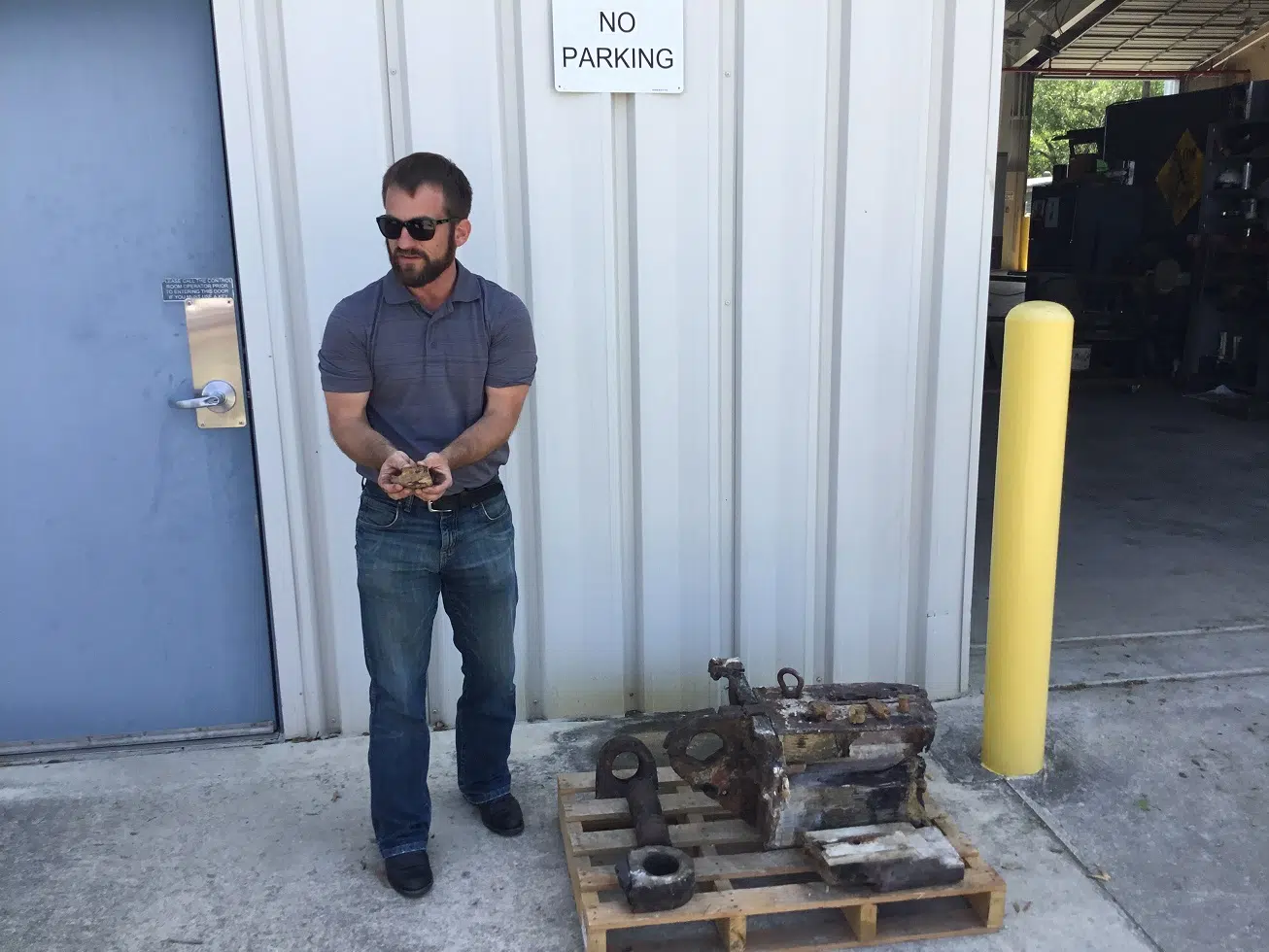
“The primary reason for the decision is public safety. We’ve done some additional analysis, some additional inspections at Dunlap Dam to assess the condition of some of the hinges which is what we believe led to spillgate failure at Dunlap. Upon doing some additional testing of the hinges, we were able to retrieve one from one of those spillgates that remained and look at its condition and there were some significant ware to that hinge. We had an engineer do an evaluation as to whether or not, in that condition, if it would be safe to continue the spillgate operations and their findings were that ‘you could not continue the spillgate operation with the amount of deterioration observed on those hinges.’ Knowing that we have this risk to safety and the condition of the gates is really what led to this recommendation,” said Hickman.
Some of the dams are 90-years-old, and Hickman says they fear that more failures could potentially occur. He says they have developed computer models to show what would happen if there were multiple failures, at one time, throughout the system. He says it’s already been shown that the dams are in a current state of disrepair, and that they all need to be replaced.
“I think the fact that we’ve had this occur twice in the past three years show that the risk is very real and we were just very fortunate that with the previous two events — that nobody was downstream of these structures at the time that these failures happened,” said Hickman.
Many people, particularly folks who live or play on the local lakes, are upset about this decision. Stakeholders, including local elected officials, want to know how the dams could fall into such a sorry state. Hickman says the dams don’t pay for themselves. The electric power they generate don’t cover the cost of operations, and GBRA doesn’t receive any tax money to help offset those losses. Homeowners, who live on the lakes, pay a great deal in ad valorem taxes, but none of that money goes to GBRA or towards the maintenance of those dams.
“The situation we are faced with is that the only revenue source that can fund any type of maintenance or repairs on this system is through the generation of hydro-electricity at the dam sites and the revenue that we generate is not sufficient to perform the maintenance that’s required on these structures and so, the cost of maintaining the dams grossly exceeds the amount of funding available to do the repairs and it’s been that way for some time,” said Hickman.
Hickman says this is not a new problem along the lakes, but what is new is the data that they have been able to collect following the catastrophic failure of the spillgate on Lake Dunlap. He says the engineering study clearly shows that it’s not safe for the dams to continue to be used.
“We know this is a very unpopular decision but we’ve continued since the time that we put out notification that there is a problem to have occurrences where people access the dam sites from the river. They go past the safety barricades that GBRA has put into place and within the restricted zones. We have videos of children crawling on the dams after these events have happened so with the inability to prevent the public from going into these very unsafe areas and knowing that the risk is there, there was just no other feasible alternative that we could develop that would protect the safety of the people in this river system than lowering the lakes,” said Hickman.
GBRA has set up a plan that calls for all of the lakes to be lowered systematically starting in about one month. He says they will be providing plenty of updates, so that people know what to expect going forward.
“So, the current plan is that we will initiate the draw down of the lakes beginning Sept. 16. We are going to start down on the lower end of the system down at Lake Gonzales and it will take approximately three days per lake to accomplish each draining and we will just continue to work our way upstream in the system until the dewatering is totally complete which should be at the end of September,” said Hickman.
Once all the lakes have been drained, they will all look very similar to what you see on lakes Wood and Dunlap. There will be a number of properties that will immediately lose their waterfront status.
“What we are expecting to see is the water surface in the lakes to be drawn down approximately 12 feet depending on where you are and it’s going to look very much like what you see at Lake Dunlap or Lakewood,” said Hickman.
This action by GBRA is all about keeping the community safe right now. The future of the lakes largely will now lie in the hands of the property owners along each lake. Many of the lake associations are currently working with GBRA to find a long term fix, but it’s clear that GBRA will not have funding to repair those dams, so the lake associations will have to be creative in their approach to fixing those problems.
“We are currently engaged with designing a solution of hydraulic crest gates which we think is the more modern gate type that we recommend for this system. So, we are active in continuing on that design path and engage with the stakeholder group made up of the lake associations that represent the communities around these lakes to continue to try to identify a funding solution to fund the construction,” said Hickman.
The associations on lakes Dunlap, McQueeney and Placid have all publicly stated that they are actively pursuing a solution that will bring the lakes back using newly installed dams. Hickman says GBRA has come to the table to try to be a good partner with the lake groups as they move forward with plans to some day bring the lakes back.
“Right now, the lake associations themselves are actively working to try to form some taxing districts that would allow for revenue to be generated to fund the solution and we are working in concert with them to help identify and facilitate that discussion and also identify the technical solutions needed to continue the operations,” said Hickman.
GBRA issued a press release on Thursday further explaining its decision. It says that the “hydroelectric dams, that form the recreational lakes along the Guadalupe River, have surpassed the end of their useful life at more than 90 years old.” They say that over the last several years, GBRA has taken several steps to make the areas safer. The list of safety measures included adding signage and buoys, establishing and extending restricted zones around the dams, and installing real-time monitoring cameras, as well as sirens and public address systems – to warn people of the hazards. They say despite those efforts, video monitoring systems continued to capture people within the restricted areas close to, and in some cases, on top of the dams.
GBRA has established a website to provide regular updates about this evolving situation. The information can be accessed online at www.GVLakes.com.